Ultrasonic Welding Data Analytics Platform
Built for ultrasonic copper and aluminum wire harness welding, this platform bridges isolated equipment and the internet, collects Welding data in real time, enables SPC process monitoring and quality traceability, and contains defects at the source.
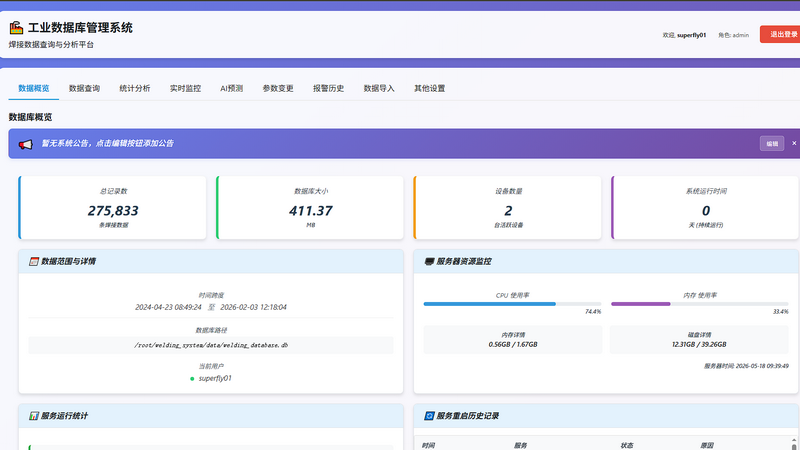
Industry Challenges
Destructive Sampling Risk
Welding quality can only be evaluated through destructive pull testing, limiting inspection to samples and creating a risk that defects will escape.
Data Silos
Welding equipment is isolated from the internet, preventing real-time process data collection and making quality traceability difficult.
Reliance on Operator Experience
Process parameter adjustments depend on operator experience rather than data, resulting in inconsistent quality.
Core Features
Real-Time Data Collection
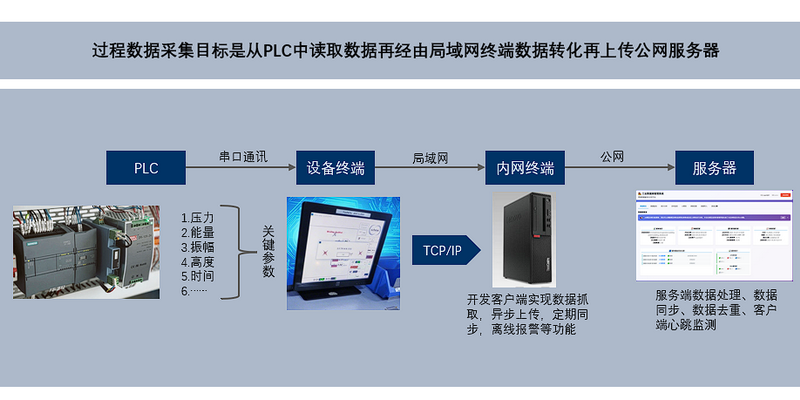
Captures logs through the equipment client, parses Welding records, and uploads them to the cloud. Supports incremental SQLite extraction, batch upload, and API Key + HMAC-SHA256 signature authentication.
Quality Data Traceability
Provides end-to-end quality traceability from raw material batches to finished weld points, helping teams identify root causes quickly.
SPC Process Monitoring
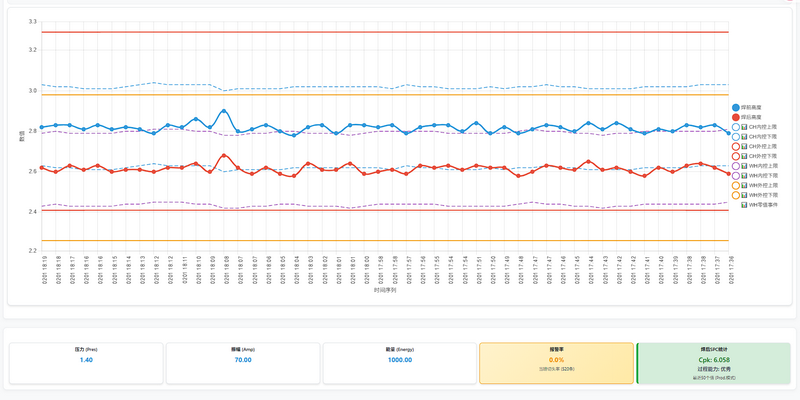
Generates post-weld height control charts in real time, monitors process exceptions and variation trends, and alerts teams when points exceed control limits.
Tiered Alerting
Evolves through three stages: fixed thresholds → tiered response → intelligent diagnosis. When an exception occurs, the email system alerts administrators and provides possible causes and reference solutions.
Parameter Change Management
Supports Welding parameter change requests, multi-level approvals, and version traceability, with synchronized notifications to keep process changes controlled.
Multi-Platform Data Synchronization
Integrates with H3 BPM, DingTalk, Yida, and other platforms for real-time cross-system data exchange, eliminating information silos and improving collaboration.
Project Background
Ultrasonic copper and aluminum wire harness welding uses vibration and friction to join materials, and the result has traditionally been evaluated only through destructive pull testing. This project bridges equipment and the internet to collect Welding data in real time, monitor the process, provide quality traceability, and contain defects at the source.
Technology Stack
Feature Details
Data Collection and Upload
Captures Welding logs from the equipment client in real time, parses key parameters such as height, width, time, and energy, incrementally extracts records through SQLite, and uploads them to the cloud in batches. API Key + HMAC-SHA256 signature authentication protects data in transit.
Quality Data Traceability
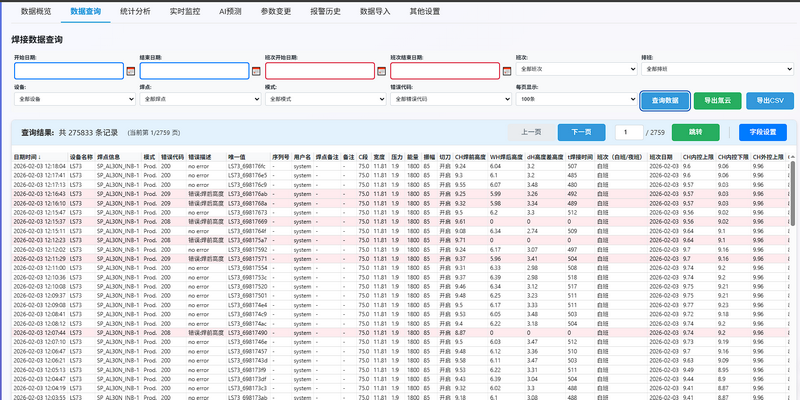
Provides end-to-end quality traceability from raw material batches to finished weld points. Correlation analysis identifies root causes quickly and supplies data for process optimization.
SPC Process Monitoring
Generates post-weld height control charts, including X-bar and R charts, in real time to monitor process exceptions and variation trends. When a data point exceeds a control limit or a sustained abnormal pattern appears, the system highlights the warning automatically so engineers can identify process drift promptly.
Tiered Alerting
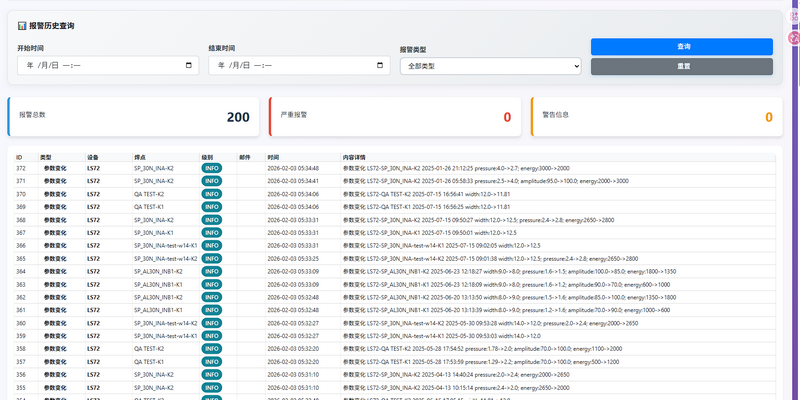
Alerting evolves through three stages. Fixed thresholds establish warning limits for key parameters; tiered response classifies severity and applies the appropriate workflow; intelligent diagnosis provides likely causes and reference solutions. The email system notifies administrators in real time when exceptions occur.
Parameter Change Management
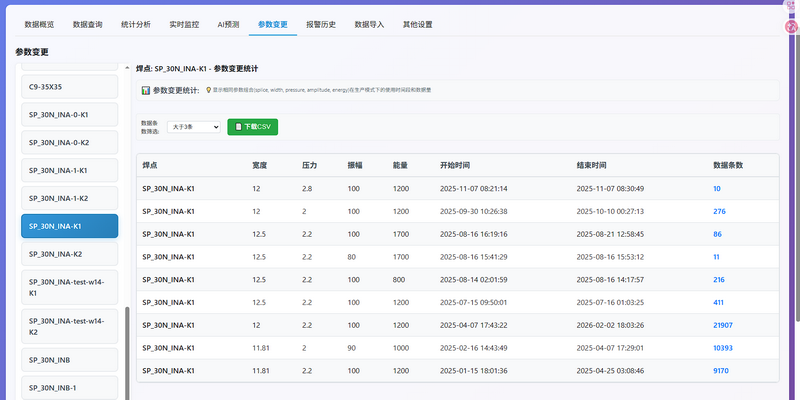
Supports Welding parameter change requests, multi-level approval workflows, and version traceability. Submitting a request automatically starts the approval process; approval updates the parameter library and triggers notifications, keeping process changes controlled and traceable throughout.
Intelligent Report Analysis
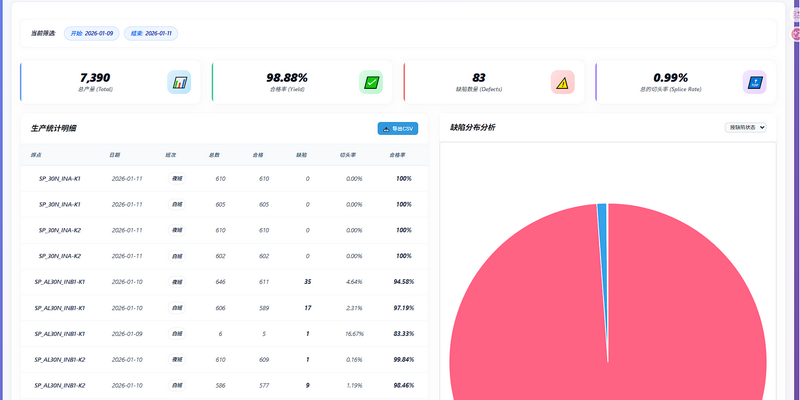
Automatically generates daily, weekly, and monthly reports with customizable dimensions and export formats (Excel/PDF). Multi-dimensional analysis covers Welding pass-rate trends, equipment OEE, and exception distribution, giving managers a quick view of overall Welding quality.
Multi-Platform Data Synchronization
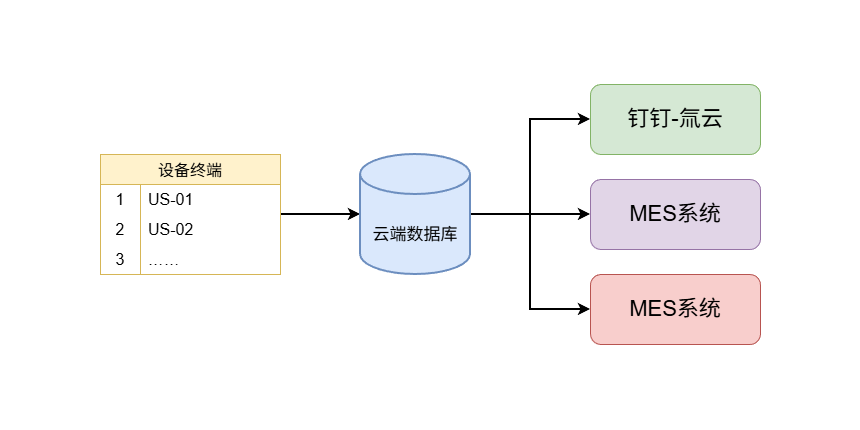
Integrates with enterprise platforms including H3 BPM, DingTalk, and Yida for real-time cross-system data exchange. Welding data, alert records, parameter changes, and other information synchronize automatically across platforms, eliminating information silos and improving cross-department collaboration.
Equipment Status Monitoring
Monitors Welding equipment availability, runtime, fault codes, and other information in real time. Offline or abnormal equipment is flagged automatically and triggers an alert. Equipment register management and maintenance-cycle reminders help keep the production line stable.